Hives can make you question everything. Was it something you ate, a new skincare product, a medication, or just a week of poor sleep and nonstop pressure finally catching up with you? If itchy welts seem to appear when life feels especially overwhelming, there is a real chance stress is part of the picture.
That does not mean stress is always the only cause. Hives can also be triggered by infections, medication, foods, heat, friction, and allergic reactions. But reputable medical sources do note that stress can trigger or worsen hives in some people, especially when the body is already reactive. Mayo Clinic and the NHS both recognize stress as a possible trigger.
That is what makes this topic tricky. Stress hives can look almost exactly like other forms of hives. The better clue is usually not the rash alone, but the pattern around it: when it appears, how often it comes back, and what is happening in your stress level, sleep, and routine when it flares.
This guide will help you understand what stress hives usually look like, how to tell them apart from allergic hives, what practical steps may help, and when it is time to seek medical advice.
Quick Answer
If you want the short version first, here it is:
- Stress hives are itchy, raised welts that may appear during or after emotionally intense periods.
- They often come and go quickly, change shape, or show up in different places.
- They are more likely if you are also dealing with poor sleep, anxiety, exhaustion, or nervous system overload.
- They do not automatically mean stress is the only cause. Heat, medication, infection, friction, and allergies can also trigger hives.
- Get urgent help if hives come with trouble breathing, trouble swallowing, or swelling of the lips, mouth, tongue, or throat, according to Mayo Clinic.
What Are Stress Hives?
Hives, also called urticaria, are raised welts caused by the release of histamine and other immune chemicals in the skin. They may be pink, red, purple, or skin-colored depending on skin tone. They can itch intensely, sting, burn, or feel warm. According to Mayo Clinic, individual welts often fade within 24 hours, even though new ones may continue appearing.
When people talk about stress hives, they usually mean hives that appear or get worse during mentally or emotionally difficult periods. A systematic review on chronic urticaria found evidence supporting a meaningful relationship between psychological stress, immune activity, and recurring flare-ups.
That does not make stress hives a separate diagnosis. It simply means stress may be acting as a trigger, an amplifier, or part of a broader pattern.
Can Stress Cause Hives?
Yes, it can. If you have been asking can stress cause hives, the most accurate answer is yes, but not always by itself.
Stress affects sleep, inflammatory signaling, and the nervous system. For some people, that seems to make the skin more reactive. Cleveland Clinic notes that stress-related hives can come in waves and may keep returning if the underlying stressor is still there.
That is why a single breakout does not tell you much on its own. The stronger clue is the pattern. If hives repeatedly show up during anxious weeks, poor sleep, deadline pressure, emotional overload, or burnout, stress deserves a closer look.
How to Tell If Your Hives Are from Stress
There is no perfect at-home test, but these clues make hives from stress much more likely.
1. The timing matches stressful periods
This is often the biggest clue. If your hives tend to appear during work pressure, panic, travel stress, grief, burnout, or emotionally intense weeks, stress may be involved.
2. You cannot find a clear outside trigger
Allergic hives often follow something identifiable, such as a food, medication, supplement, skincare product, or insect sting. If your outbreaks keep showing up without an obvious exposure, stress becomes a more plausible explanation.
3. They come and go quickly
Stress-related hives often show up fast, fade, and then reappear somewhere else. That shifting pattern is common with hives in general, but it becomes more suggestive when it happens during anxiety spikes or exhaustion.
4. You also have other stress symptoms
If the welts show up alongside headaches, jaw tension, poor sleep, irritability, digestive upset, or that tired-but-wired feeling, the bigger picture points more strongly toward stress.
5. They ease when your routine improves
If your skin tends to settle when you sleep better, reduce caffeine, slow down your mornings, or lower your stress load, that is a useful sign that stress is part of the issue.

What Do Stress Hives Look Like?
Most of the time, they look like regular hives:
- raised itchy welts
- small bumps or larger connected patches
- swelling that changes size or shape
- marks that fade in one area and reappear in another
- skin that feels warm, prickly, or burning
They often appear on the face, neck, chest, shoulders, or arms, but they can show up anywhere.
Stress Hives vs Allergic Hives
This is where many people get stuck, so a simple comparison helps.
Appearance alone usually does not tell you the cause. Context matters more.
Other Triggers to Rule Out First
Before assuming stress is the full explanation, check for:
- new medications or supplements
- recent antibiotics or pain relievers
- a new detergent, soap, lotion, or skincare product
- sweating, heat, or friction from clothing
- infection or recent illness
- pressure from straps or tight waistbands
- spicy food or alcohol in some cases
If one of those lines up with your outbreaks, stress may still be making things worse, but it may not be the original trigger.
What Actually Helps Calm Stress Hives?
The best approach is usually two-part: calm the skin and lower the stress burden underneath it.
Calm the Skin
Common self-care steps include:
- taking a non-drowsy antihistamine if appropriate
- using a cool compress
- avoiding hot showers
- wearing loose, smooth clothing
- trying not to scratch
Calm the Stress Response
This is where many people notice the real difference. Helpful steps include:
- sleeping more consistently
- reducing caffeine on high-stress days
- taking short daily walks
- using slower breathing or mindfulness
- reducing back-to-back overstimulation
- getting support for ongoing anxiety
If stress keeps showing up in your routine, learning more about how L-theanine may support cortisol balance, how caffeine can affect cortisol, and the best tea to reduce cortisol and promote calm can help you build a steadier daily rhythm instead of only reacting to flare-ups.

Do Stress Hives Mean Your Cortisol Is High?
Not necessarily. Hives are not a direct cortisol test. But repeated flare-ups during periods of poor sleep, overload, and emotional strain can be one sign that your body is not handling stress well.
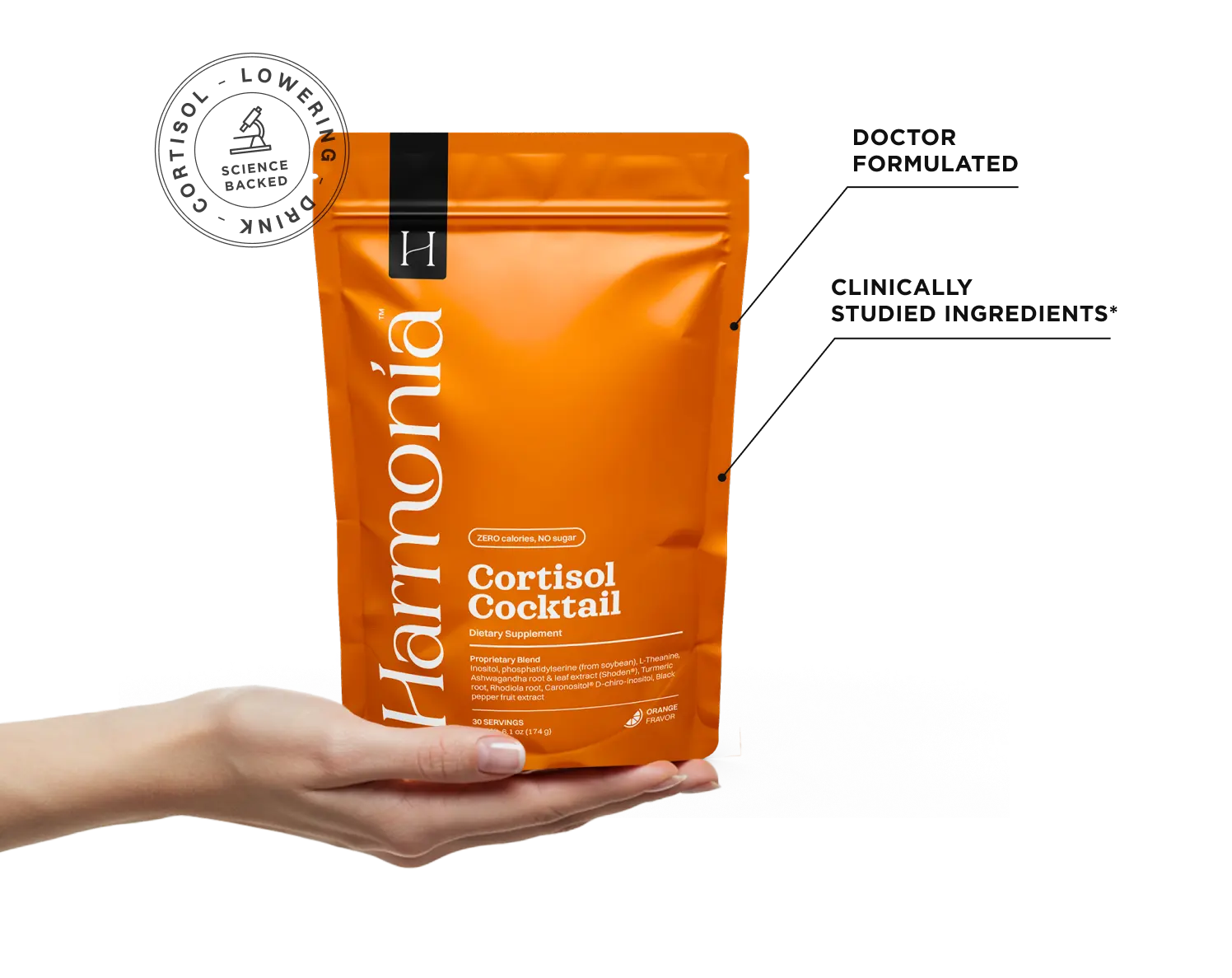
That is where a broader daily support routine may make sense. A product like Harmonia Cortisol Cocktail fits naturally here, not as a treatment for hives, but as part of a wider plan for people who want steadier energy, better resilience, and support for the stress patterns that may be contributing to flare-ups. For more context, this guide on phosphatidylserine and cortisol support explains that connection in more detail.
A Practical Example
Imagine your skin flares after a week of bad sleep, too much coffee, deadline pressure, and constant tension. You do not remember eating anything unusual, and the welts fade and reappear in different places. That is the kind of pattern that makes stress a strong suspect.
Readers dealing with anxiety stress hives are often not just trying to stop an itch. They are trying to understand why their whole system feels overloaded. In that situation, a more structured routine can help. The complete cortisol cocktail guide is a useful starting point if you want to explore a broader stress-support approach.

What to Track Before Your Next Flare-Up
If your hives keep coming back, make a simple note of:
- what you ate that day
- any medications or supplements
- how well you slept
- your stress level
- heat or exercise exposure
- new skincare or detergent
- how long the welts lasted
Pattern tracking can help you see whether you are dealing with stress, a repeat trigger, or something else.
When Should You See a Doctor?
You should get medical advice if your hives last more than a few days, keep returning, are getting worse, or seem linked to medication or food.
Get urgent help right away if you have:
- trouble breathing
- trouble swallowing
- swelling of the lips, tongue, mouth, or throat
- dizziness, fainting, or wheezing
Conclusion
If your hives tend to show up during emotionally intense periods, poor sleep, burnout, or overload, there is a strong chance stress is involved. Stress hives are usually identified less by appearance and more by timing, repetition, and what else is happening in your life at the same time.
The smartest approach is to stay practical. Rule out obvious triggers. Calm the skin. Support the system underneath it. And if stress clearly keeps showing up in the pattern, a broader routine that includes better sleep habits, less overstimulation, and targeted nutritional support may be worth exploring.
Harmonia Cortisol Cocktail is a daily stress-support formula that includes phosphatidylserine together with ingredients like L-theanine, rhodiola rosea, and inositols to help support calmer evenings, steadier focus, stress resilience, and more balanced recovery.
FAQs
Can stress cause hives even if I never had them before?
Yes. Stress can trigger a first flare in some people, although allergies, infections, medication reactions, and physical triggers can also cause hives.
How long do hives from stress last?
A single welt often fades within hours and usually within 24 hours, although new ones can keep appearing during the flare.
Are anxiety stress hives dangerous?
Usually not on their own, but any swelling of the mouth, lips, tongue, or throat, or any breathing trouble, should be treated as urgent.