Stress hormones are not the enemy. Your body needs them to wake up, focus, and respond to challenges. Cortisol, often called the cortisol stress hormone, helps regulate blood sugar, metabolism, blood pressure, and your sleep-wake cycle. The real goal is not to shut cortisol off. It is to support a healthier rhythm so your body is not stuck in constant overdrive.
That is why the best answer to how to reduce stress hormones is usually not a dramatic cleanse or a trendy shortcut. It is a return to the basics that shape how your body feels every day: sleep, food, movement, light exposure, caffeine habits, and recovery.
If you have been feeling wired at night, dragging in the afternoon, craving quick energy, or struggling to fully relax, this is where to start.
What cortisol does, and when stress starts to feel off
According to MedlinePlus, cortisol plays an important role in the body’s stress response and also affects blood glucose, metabolism, and blood pressure. In a healthy daily pattern, cortisol tends to be higher in the morning and lower at night.
When stress becomes more constant, that rhythm can feel less steady. You might notice:
- feeling tired but wired at bedtime
- afternoon slumps and brain fog
- stronger cravings for sugar or caffeine
- feeling more reactive than usual
- difficulty switching off after work
- restless sleep
Those signs do not automatically point to a medical issue, but they can suggest that your stress response needs more support.
1. Start with sleep before chasing complex fixes
If you want to learn how to reduce cortisol in a realistic way, start with sleep. A consistent sleep window helps reinforce your natural daily rhythm, while late nights, irregular bedtimes, bright screens, and evening overstimulation can make it harder to come down.
Mayo Clinic’s guidance on stress relievers also places sleep near the center of stress support, and that makes sense in real life too. When sleep is off, everything else usually feels harder.

A few habits that often help:
- keep your bedtime and wake time reasonably consistent
- dim lights and reduce screen time later in the evening
- avoid doing your most stimulating work right before bed
- create a short wind-down ritual you can actually keep
If nights are where stress hits hardest for you, Harmonia’s guide to cortisol spikes at night is a useful next read.
2. Choose movement that supports recovery, not depletion
Exercise can absolutely help with stress, but more is not always better. If you are already under-slept, under-fueled, and overstimulated, hard training every day can sometimes leave you feeling more drained than restored.
That is why walking, yoga, light strength work, mobility sessions, and moderate cardio often feel better during stressful seasons than punishing all-or-nothing workouts. Healthline’s overview of natural ways to lower cortisol also notes that exercise can raise or lower cortisol depending on intensity, which is why the dose matters.
For many people, one of the best natural ways to lower cortisol is not a complete fitness reset. It is a 20-minute walk after lunch, a few manageable workouts each week, or gentle movement that lowers tension instead of adding more.
3. Eat in a way that supports steadier energy
Food does not need to be perfect to be helpful. What matters most is reducing the swings that make stress feel worse. Skipping meals, relying on sugar, or using coffee as breakfast can leave your energy and mood bouncing all day.
A steadier approach often looks like this:
- include protein earlier in the day
- build meals around fiber, healthy fats, and minimally processed carbs
- avoid going too long without eating
- choose balanced snacks instead of quick sugar by itself
Here is a simple example. Someone who skips breakfast, drinks two coffees before noon, crashes at 3 p.m., and raids the pantry at night probably does not need a dramatic wellness overhaul. They may simply need breakfast with protein, a more balanced lunch, and fewer long gaps without food.

If you want to explore supportive ingredients as well, Harmonia’s article on phosphatidylserine cortisol support is a helpful internal follow-up.
4. Rethink caffeine timing
A lot of people looking for how to reduce stress hormones are already doing many things right, but their caffeine timing is working against them. Coffee on an empty stomach, repeated refills through the afternoon, or using caffeine to push through exhaustion can make it harder to feel calm later in the day.
This does not mean everyone needs to quit coffee. It usually means being more intentional about timing and quantity. Earlier is often better than later. Pairing caffeine with food also tends to feel steadier than using it as a substitute for a meal.
For readers who prefer a gentler option, Harmonia’s guide to the best tea to reduce cortisol is a helpful follow-up.
5. Build small decompression rituals you will actually keep
You do not need a perfect self-care routine to help your body feel safer. What matters more is repetition. Small practices done consistently often help more than ambitious routines you abandon after three days.
Mayo Clinic’s page on mindfulness exercises points to simple tools like slow breathing and present-moment awareness. In practice, that might look like:
- three slow breaths before opening your laptop
- a short walk without your phone
- five minutes of stretching in the evening
- journaling before bed
- morning light for a few minutes outside
These habits may seem minor, but they can interrupt the feeling that your system is always on.
6. Pay attention to your evenings, not just your mornings
Morning routines get all the attention, but evenings shape the next day too. Late scrolling, bright light, heavy mental stimulation, and no real stopping point after work can make it harder for your body to settle.
Try making evenings feel less abrupt and more predictable. That could mean a shower, dimmer lights, herbal tea, reading, quieter music, or ending work at a clearer time. The exact ritual matters less than the signal it sends: the demanding part of the day is over.
7. Do not underestimate hydration and basic recovery
Hydration is not glamorous, but it matters. When you are a little dehydrated, under-fueled, and running on stimulation, stress usually feels louder. Keep water intake simple and consistent, especially if you also drink coffee or exercise regularly.
The same goes for recovery in general. Not every stress problem needs a more advanced protocol. Sometimes the most useful fix is more sleep, more food, less chaos, and fewer inputs.
8. Make room for relationships, joy, and time outside
This is where many generic wellness articles stay too shallow. You can optimize meals and workouts, but if your days still feel emotionally harsh, your body notices. Supportive relationships, laughter, hobbies, and time outdoors can all help make stress feel more manageable.
A body that never experiences ease rarely acts calm. That is worth remembering when you are tempted to turn stress support into a checklist and forget the human part.
9. Consider whether a more complete support routine would help
Lifestyle habits should come first, but some readers also want a simpler way to support those habits. That is where a formula can make sense, especially if you are tired of piecing together separate teas, powders, and capsules.
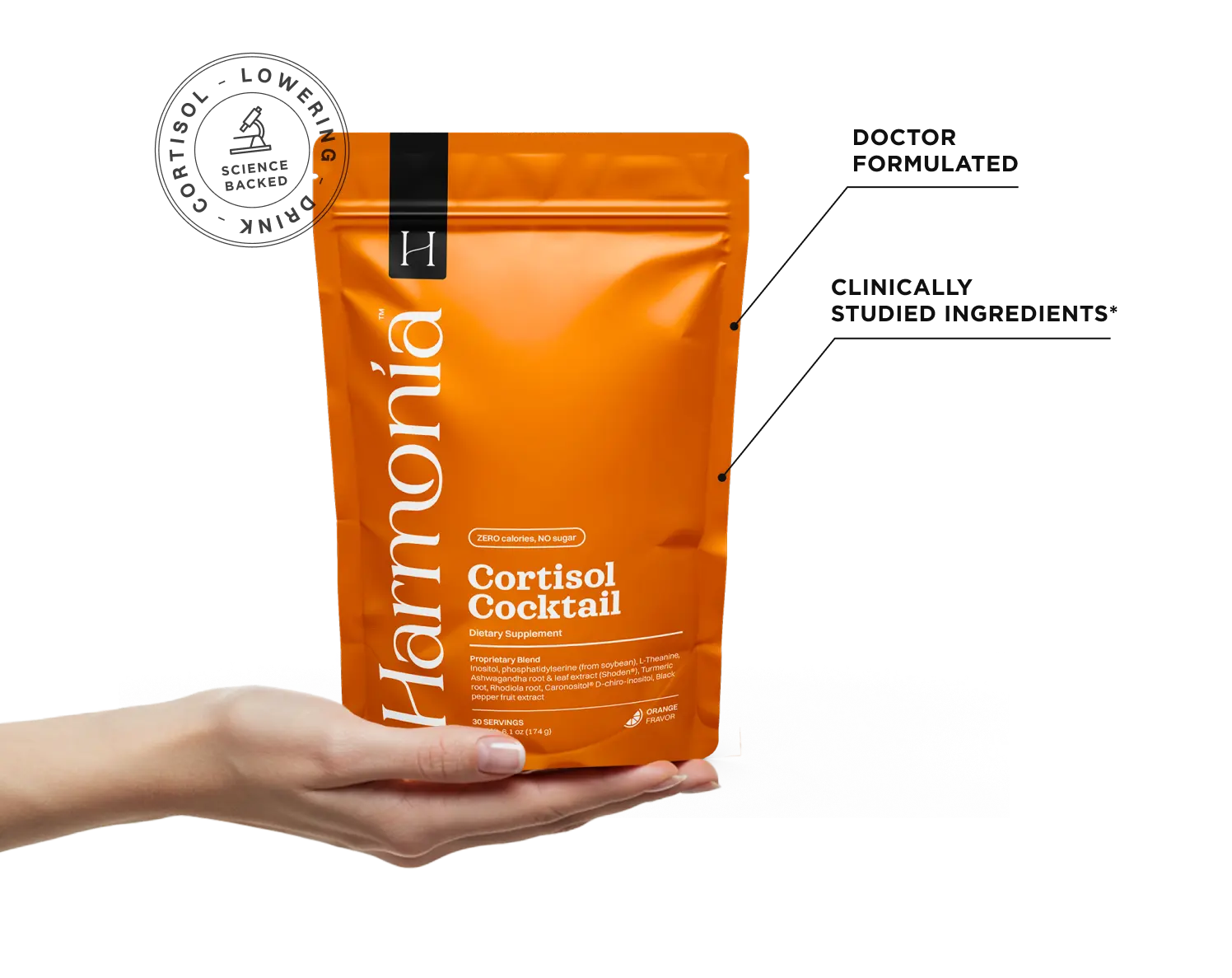
In practice, it can be useful to look for formulas that combine adaptogens, calming nutrients, and ingredients associated with stress support. Some blends now bring these together in a single routine step - for example, Harmonia’s Cortisol Cocktail, which includes ashwagandha, L-theanine, rhodiola, phosphatidylserine, and inositols.
That distinction matters. Products like this aren’t a substitute for sleep, balanced nutrition, or clear stress boundaries, but can serve as a convenient addition for those trying to stay more consistent with those fundamentals.
10. Know when to get medical input
Lifestyle advice can help a lot, but it should not try to explain everything. MedlinePlus notes that cortisol testing can be used when clinicians need to evaluate unusually high or low cortisol. If your symptoms feel severe, persistent, or clearly outside the normal stress-and-sleep conversation, checking in with a healthcare professional is the smart move.
That is especially true if you are dealing with unusual blood pressure changes, unexplained weight changes, major fatigue, or symptoms that are not improving.

Final Thoughts
If you have been trying to figure out how to reduce cortisol without turning your life upside down, start with the basics that change how your body experiences the day: better sleep, steadier meals, calmer movement, less late-day stimulation, and more real recovery.
And if you want a more convenient support option alongside those habits, Harmonia Cortisol Cocktail may be worth considering as one practical piece of a broader stress-support routine. Used that way, it fits best as a helpful next step, not a magic answer.
FAQs
What is the fastest natural way to lower stress hormones?
There is usually no instant fix. The fastest support often comes from lowering your immediate stress load with a balanced meal, water, slower breathing, less stimulation, and a better night of sleep.
Can poor sleep raise cortisol?
Poor sleep can make your normal cortisol rhythm feel less steady, which is one reason sleep is such an important part of learning how to reduce stress hormones naturally.
Are there natural ways to lower cortisol without supplements?
Yes. Sleep, balanced meals, moderate movement, hydration, caffeine timing, and simple recovery habits are some of the most reliable natural ways to lower cortisol without starting with supplements.
What should I drink for calmer energy?
Many people do well with tea or other lower-stimulation options, especially later in the day. Harmonia’s article on phosphatidylserine cortisol support is also useful if you want to explore how targeted ingredients may fit into a broader stress-support routine.