The strategies that worked in your 20s and 30s suddenly stop producing results. You eat the same foods, exercise regularly, yet the scale refuses to budge. Your clothes fit tighter despite your best efforts. Belly fat appears seemingly overnight and won't leave no matter what you try.
Research shows that muscle mass begins declining in the third or fourth decade of life, and about 10% of muscle can be lost by age 50. Since muscle burns more calories than fat, this decline contributes to slower metabolism and more difficult weight loss after 40.
Multiple biological changes converge during your 40s, creating a perfect storm for weight gain and resistance to fat loss. Hormonal shifts, muscle loss, metabolic changes, and stress all contribute to this phenomenon. Understanding these factors helps you develop effective strategies rather than fighting your body with approaches that no longer work.
The good news? Weight loss after 40 is absolutely possible once you address the root causes, making it challenging.
Why Is It So Hard to Lose Weight After 40?
Several interconnected factors explain why is it hard to lose weight after 40. These changes don't happen overnight but accumulate gradually, making weight management increasingly difficult.
Muscle Loss Slows Your Metabolism
Women lose about 0.5 pounds of muscle per year starting around age 40. Since muscle burns more calories than fat, this contributes to slower metabolism and harder weight loss.
This muscle loss, called sarcopenia, occurs even if you maintain the same activity level. Without intentional resistance training, your body composition shifts toward less metabolically active tissue.
Muscle tissue burns approximately 6 calories per pound daily at rest. Fat tissue only burns 2 calories per pound. Losing 5 pounds of muscle means burning 20 fewer calories daily, or 7,300 fewer calories yearly. This adds up to over 2 pounds of potential fat gain annually from muscle loss alone.
The metabolic impact compounds over time. By age 50, you might have lost 5 to 10 pounds of muscle, significantly reducing your resting metabolic rate. You must eat considerably less or exercise much more to maintain the same weight.
Hormonal Changes Affect Fat Storage
A 2025 study found that fat mass and fat distribution increase after age 40, particularly in females. This shift explains stubborn belly fat and hormonal weight gain in 40s.
Multiple hormonal changes occur simultaneously during your 40s. Estrogen levels begin fluctuating and gradually declining. Progesterone production decreases. Cortisol may stay elevated from chronic stress. Insulin sensitivity often worsens.
These hormonal shifts fundamentally change where your body stores fat. Instead of hips and thighs, fat accumulates around your midsection. This visceral fat carries greater health risks and proves more resistant to diet and exercise.
Metabolic Adaptation Makes Weight Loss Harder
A long-term study found that metabolism slows down after weight loss and stays suppressed for years, making it easier to regain weight. This "metabolic adaptation" is a key reason people struggle to lose weight after 40.
Your body interprets calorie restriction as potential starvation. It responds by slowing metabolic rate to conserve energy. This survival mechanism worked brilliantly throughout human evolution but sabotages modern weight loss efforts.
After losing weight, your body burns fewer calories than someone who naturally weighs the same amount. This metabolic suppression can persist for years, making weight maintenance extremely challenging.
The adaptation grows more pronounced with age. Your body becomes increasingly protective of energy stores, making each successive diet less effective than the last.
Stress and Cortisol Increase
Life in your 40s often brings peak stress levels. Career demands intensify. Aging parents need support. Teenagers require guidance. Financial pressures mount. Sleep becomes elusive.
Chronic stress elevates cortisol, your primary stress hormone. High cortisol increases appetite, promotes fat storage around your abdomen, and impairs insulin sensitivity. The combination makes weight gain nearly inevitable.
Understanding how cortisol levels impact weight gain and belly fat becomes crucial for successful weight management after 40.
Stress also disrupts sleep quality. Poor sleep further elevates cortisol while reducing leptin (satiety hormone) and increasing ghrelin (hunger hormone). You feel hungrier while burning fewer calories.
Insulin Resistance Develops
As you age, cells become less responsive to insulin signals. Your pancreas produces more insulin to maintain blood sugar control. These elevated insulin levels promote fat storage and prevent fat burning.
Insulin resistance creates a vicious cycle. Excess weight worsens insulin sensitivity. Poor insulin sensitivity makes losing weight more difficult. The pattern reinforces itself without intervention.
Women in their 40s often notice increased sugar cravings and energy crashes after meals. These signs suggest developing insulin resistance requiring attention.
How to Successfully Lose Weight After 40

Understanding why weight loss after 40 is challenging helps you develop effective strategies. These evidence-backed approaches work with your changing biology rather than against it.
Manage Stress and Cortisol
Addressing stress becomes essential rather than optional for losing weight after 40. Chronic high cortisol makes fat loss nearly impossible regardless of diet and exercise.
Daily stress management practices significantly impact cortisol levels. Meditation, deep breathing, yoga, or time in nature all reduce stress hormones measurably. Even 10 minutes daily creates benefits.
Set boundaries to protect your time and energy. Say no to non-essential commitments. Delegate tasks when possible. Prioritize activities that restore rather than deplete you.
Consider natural supplements that support hormone balance and reduce stress as part of your comprehensive approach.
Optimize Sleep Quality
Quality sleep regulates all hormones affecting weight. Aim for 7 to 9 hours nightly in a completely dark, cool room. Establish consistent sleep and wake times, even on weekends.
Create an evening routine signaling your body to wind down. Avoid screens for at least one hour before bed. Blue light suppresses melatonin production and delays sleep onset.
Address hormonal sleep disruptions directly. Night sweats and hot flashes wake many women repeatedly. Cooling mattress pads, breathable bedding, and bedroom fans help maintain comfortable temperature.
Magnesium supplementation supports better sleep quality. Take 300 to 400 mg of magnesium glycinate 1 to 2 hours before bed. This mineral calms the nervous system and promotes relaxation.
Include More Protein
Protein requirements increase with age to maintain muscle mass. Aim for 1.2 to 1.6 grams per kilogram of body weight daily. A 150-pound woman needs approximately 80 to 110 grams daily.
Distribute protein throughout the day rather than concentrating it in one meal. Your body uses approximately 25 to 30 grams per meal most efficiently for muscle synthesis.
Quality protein sources include lean meats, fish, eggs, Greek yogurt, cottage cheese, legumes, and protein powder. Choose options you enjoy to ensure consistency.
Protein increases satiety, preserves muscle during weight loss, and requires more energy to digest than carbohydrates or fats. These factors make it particularly valuable for weight loss after 40.
Support Hormonal Balance
.webp)
Hormonal imbalances significantly impact your ability to lose weight after 40. Addressing these issues often removes major obstacles to progress.
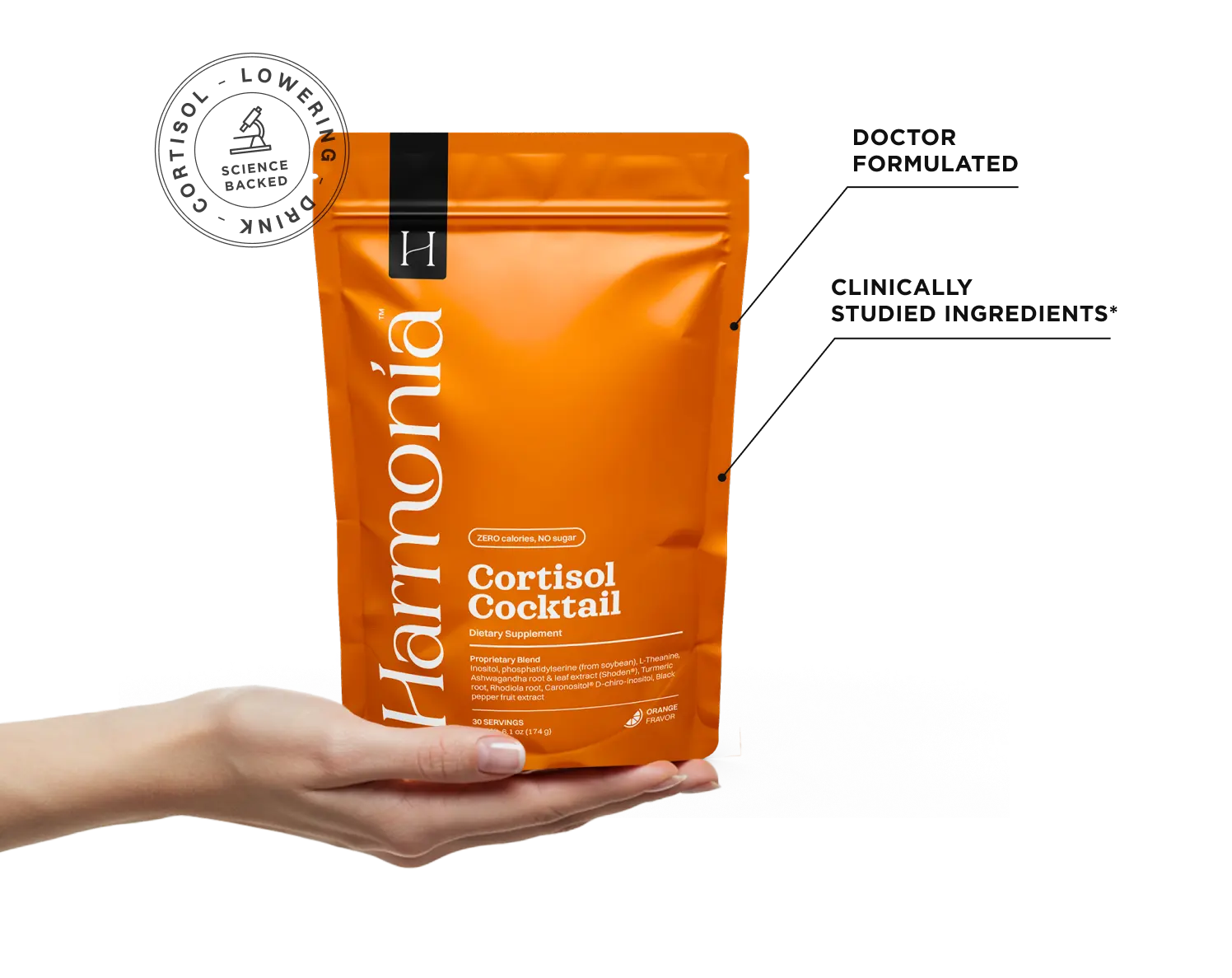
Harmonia is formulated to support hormonal balance by targeting cortisol regulation and metabolic health. The blend includes ashwagandha to reduce stress hormones, rhodiola for resilience, and inositol for insulin sensitivity.
Magnesium supports sleep quality and nervous system function. Vitamin D addresses widespread deficiency affecting metabolism. L-theanine promotes calm without drowsiness.
By targeting stress-related pathways and metabolic support, Harmonia helps women experiencing hormonal changes in their 40s. When cortisol stabilizes and insulin sensitivity improves, weight management becomes significantly easier.
Supporting hormone balance requires consistency over time. A daily routine combining targeted supplementation with stress management, quality sleep, and balanced nutrition produces the best results.
Ready to address hormonal obstacles to weight loss? Take the Harmonia quiz to discover if this formula fits your needs.
Conclusion
Losing weight after 40 feels harder because it genuinely is more challenging. Muscle loss, hormonal changes, metabolic adaptation, and increased stress create significant obstacles. Understanding these factors helps you develop effective strategies.
The approaches that worked in your 20s won't work now. Your body requires different support matching its current biology. Strength training, protein intake, stress management, quality sleep, and hormonal support become essential.
Why is it so hard to lose weight after 40? Your body has changed fundamentally. Successful weight management requires acknowledging these changes and adapting your approach accordingly.
Small, consistent actions compound into significant results over time. Be patient with yourself and your body. The effort invested in building sustainable habits pays dividends for decades to come.

FAQs About Weight Loss After 40
Why is it so hard to lose weight after 40?
Multiple factors converge: women lose about 0.5 pounds of muscle yearly, slowing metabolism; hormonal changes increase fat storage, especially around the midsection; metabolic adaptation makes the body resistant to weight loss; and chronic stress elevates cortisol. These biological changes require different strategies than worked in younger years.
What age is it harder to lose weight?
Weight loss typically becomes noticeably more difficult starting around age 40. Muscle loss accelerates, hormonal changes intensify, and metabolic rate decreases. The challenge continues increasing through the 40s and 50s, particularly during perimenopause and menopause transitions when hormonal fluctuations are greatest.
Can you still lose weight in your 40s?
Yes, weight loss after 40 is absolutely possible with appropriate strategies. Success requires addressing hormonal balance, building muscle through strength training, managing stress and cortisol, prioritizing quality sleep, and eating adequate protein. Progress may be slower than in your 20s, but sustainable fat loss definitely occurs with consistent effort.
Why am I over 40 and can't lose weight?
If you're over 40 and can't lose weight, several factors may be responsible: untreated hormonal imbalances like thyroid disorders or insulin resistance; severe calorie restriction slowing metabolism further; inadequate protein or strength training causing muscle loss; chronic high cortisol from stress; or poor sleep quality. Professional evaluation can identify specific obstacles.
How can I lose hormonal weight gain in my 40s?
Address hormonal weight gain in 40s by managing stress to lower cortisol, strength training to build muscle, eating adequate protein, improving sleep quality, balancing blood sugar through proper nutrition, and supporting hormonal health with targeted nutrients. Comprehensive approaches addressing multiple factors simultaneously produce the best results.
Is it harder to lose weight in your 40s than 30s?
Yes, it's significantly harder to lose weight in 40s than 30s due to accelerated muscle loss, more pronounced hormonal changes, greater metabolic adaptation from previous dieting, and typically higher stress levels. However, understanding these challenges allows you to implement effective strategies specifically designed for this life stage.