Social media feeds overflow with influencers promoting cortisol detoxes. They promise to flush stress hormones, melt belly fat, and restore energy through special drinks, restrictive diets, or expensive supplement protocols. The hashtag generates millions of views and countless product recommendations.
You feel intrigued. Your stress levels have been high for months. Weight won't budge despite healthy eating. Sleep feels elusive. Perhaps a cortisol detox could reset your system and restore balance.
Medical experts state that there is no scientific basis for a cortisol detox as promoted online. Cortisol is a necessary hormone, not a toxin that needs to be "flushed out."
This doesn't mean you're stuck with high cortisol forever. Effective, evidence-backed strategies genuinely reduce stress hormones and improve wellbeing. They just don't work through "detoxing" cortisol from your body.
What People Mean by Cortisol Detox
The term cortisol detox lacks precise medical definition. Different influencers and wellness brands use it to describe various protocols, creating confusion about what it actually involves.
Common Cortisol Detox Claims
Popular cortisol detox programs typically promise to:
- Remove excess cortisol from your body
- Reset your adrenal glands
- Melt stubborn belly fat caused by stress
- Restore energy and eliminate fatigue
- Improve sleep quality immediately
- Balance all hormones simultaneously
- Cure chronic stress through short-term intervention
These claims sound appealing but oversimplify how cortisol actually functions. Many programs include elements of cortisol cocktail, combining electrolytes, vitamins, and minerals.
Typical Cortisol Detox Protocols
Cortisol cleanse programs often recommend:
- Drinking special cortisol-lowering beverages multiple times daily
- Following restrictive elimination diets removing common foods
- Taking numerous supplements in specific combinations
- Practicing extended fasting or juice cleanses
- Following rigid sleep schedules and routines
- Avoiding all stress triggers for set periods
Some protocols last just days, others extend for weeks. Prices range from free social media advice to expensive branded programs costing hundreds of dollars.
The fundamental problem? These approaches misunderstand cortisol's role in your body and how hormone regulation actually works.
Why "Detoxing" Cortisol Doesn't Make Sense

Understanding cortisol's essential functions reveals why the cortisol detox concept is fundamentally flawed.
Cortisol Is Not a Toxin
Your body produces cortisol intentionally through a carefully regulated process. The adrenal glands release cortisol in response to signals from your brain's hypothalamus and pituitary gland.
This hormone performs crucial functions:
- Regulates metabolism and blood sugar levels
- Controls inflammation throughout your body
- Influences memory formation and retrieval
- Manages your sleep-wake cycle
- Supports cardiovascular function
- Helps you respond appropriately to stress
Calling cortisol a toxin requiring removal is like calling insulin or thyroid hormone toxic. These are essential regulatory molecules your body needs to function properly.
Your Body Regulates Cortisol Naturally
You don't need special protocols to eliminate cortisol. Your body already metabolizes and clears cortisol continuously through normal processes.
Cortisol follows a predictable daily rhythm called the diurnal pattern. Levels peak within 30 minutes of waking, providing energy to start your day. They gradually decline throughout afternoon and evening, reaching lowest points around midnight.
Your liver metabolizes cortisol into inactive forms. Your kidneys filter these metabolites for elimination through urine. This happens constantly without requiring intervention.
The issue isn't accumulated cortisol needing removal. The problem is chronic stress causing excessive cortisol production that overwhelms your body's natural regulation.
The Real Problem Is Chronic Overproduction
High cortisol symptoms stem from your adrenal glands producing too much cortisol too frequently, not from cortisol building up like a toxin.
When stress becomes chronic, your HPA axis stays activated continuously. Cortisol production remains elevated around the clock instead of following healthy daily fluctuations.
This persistent overproduction creates the symptoms people attribute to "cortisol toxicity." Weight gain concentrates around your midsection. Sleep becomes disrupted. Energy crashes occur. Mood deteriorates.
Addressing chronic overproduction requires different strategies than "detoxing" an imaginary cortisol buildup.
What Actually Reduces Cortisol

While cortisol detox protocols lack scientific support, evidence-backed strategies genuinely reduce cortisol production and improve stress management.
Stress Management Techniques
A 2024 meta-analysis found that stress management techniques significantly reduce cortisol levels and improve overall stress response. These interventions don't "detox" cortisol but address the root cause of overproduction.
Effective stress management practices include:
- Daily meditation or mindfulness exercises
- Deep breathing techniques practiced regularly
- Progressive muscle relaxation
- Journaling to process emotions
- Time in nature and outdoor activities
Even brief daily practice creates measurable cortisol reductions. Consistency matters more than duration when starting. Ten minutes daily produces better results than sporadic hour-long sessions.
Regular Physical Activity
A review of multiple studies found that exercise significantly lowered cortisol levels and also improved sleep quality. Physical activity addresses stress through multiple pathways simultaneously.
Moderate exercise reduces cortisol while intense training may temporarily increase it. Walking, swimming, cycling, yoga, and strength training all provide benefits without excessive stress on your system.
Aim for 150 minutes weekly of moderate activity. This breaks down to just 30 minutes five days weekly. Find movement you genuinely enjoy to ensure consistency.
Exercise also improves insulin sensitivity, supports healthy weight management, enhances mood through endorphin release, and promotes better sleep quality. These additional benefits compound stress-reduction effects.
Quality Sleep Prioritization
Poor sleep elevates cortisol while high cortisol disrupts sleep. Breaking this bidirectional relationship requires prioritizing sleep quality.
Establish consistent sleep and wake times, even on weekends. This regularity supports your natural cortisol rhythm. Create a completely dark, cool sleeping environment. Avoid screens for at least one hour before bed.
Consider sleep-supporting nutrients like magnesium glycinate (300 to 400 mg) taken 1 to 2 hours before bed. This mineral calms the nervous system and promotes relaxation without causing grogginess.
Address sleep disruptions directly rather than tolerating them. Night sweats, frequent waking, or difficulty falling asleep all deserve attention and solutions.
Balanced Nutrition
Research shows diet can influence cortisol levels, but diet alone cannot resolve stress-related cortisol imbalance. Nutrition supports overall stress resilience without "detoxing" anything.
Focus on nutrient-dense whole foods providing vitamins, minerals, and antioxidants. Include adequate protein at each meal to stabilize blood sugar and prevent cortisol spikes from hypoglycemia.
Reduce refined carbohydrates and added sugars that create blood sugar swings. These fluctuations trigger cortisol release as your body attempts to restore normal glucose levels.
Limit caffeine, especially later in the day. Excessive caffeine consumption can elevate cortisol and interfere with sleep quality. Moderate intake (1 to 2 cups daily) typically doesn't cause problems.
Stay well-hydrated throughout the day. Dehydration itself acts as a physical stressor that can raise cortisol levels.
Supportive Supplementation
Instead of "detoxing" cortisol, certain supplements support healthy stress response and cortisol regulation. These work by providing nutrients needed for optimal HPA axis function or compounds that help your body adapt to stress.
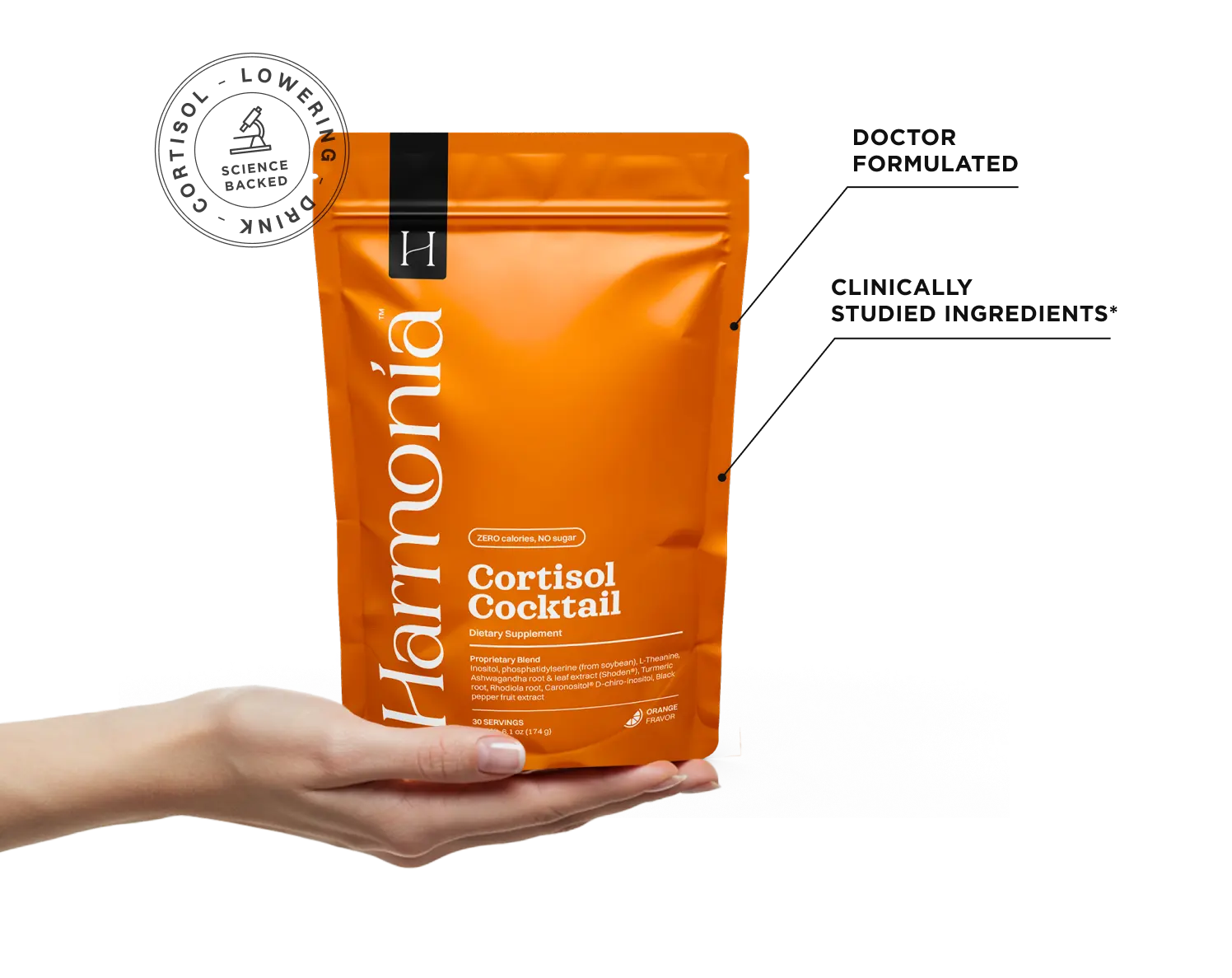
Harmonia is formulated to support healthy cortisol regulation through evidence-backed ingredients. The blend includes ashwagandha, clinically shown to reduce cortisol levels in stressed adults.
Rhodiola rosea builds stress resilience and prevents burnout. L-theanine promotes calm focus without drowsiness. Magnesium supports nervous system function and sleep quality. Vitamin D addresses widespread deficiency affecting stress response.
Myo-inositol and D-chiro inositol improve insulin sensitivity, addressing one pathway through which chronic stress disrupts metabolism. These compounds also support hormonal balance often affected by prolonged cortisol elevation.
By targeting stress-related pathways and providing comprehensive nutritional support, Harmonia helps people experiencing symptoms of chronic stress. When cortisol production normalizes and stress resilience improves, many notice better energy, sleep, mood, and overall wellbeing within 6 to 8 weeks.
Supporting healthy cortisol regulation requires consistency over time. A daily routine combining targeted supplementation with stress management, quality sleep, and balanced nutrition produces the best results.
Ready to support your body's natural stress response? Take the Harmonia quiz to discover if this formula fits your needs.
The Problem with Quick-Fix Detox Mentality

Cortisol cleanse programs appeal to our desire for rapid solutions. We want to undo months of stress damage in a weekend detox. Unfortunately, biology doesn't work this way.
Detoxes Don't Address Root Causes
Short-term protocols fail because they ignore why your cortisol production became dysregulated initially. Your job stress doesn't disappear after a 3-day juice cleanse. Financial worries persist beyond a week of supplements. Relationship difficulties remain after any detox protocol.
Without addressing underlying stressors, cortisol production returns to problematic patterns immediately after the "detox" ends. You're back where you started, often with less money and possibly disappointed.
Sustainable improvements require examining and modifying the chronic stressors driving excessive cortisol production. This takes longer but creates lasting change.
Restrictive Approaches Add Stress
Many cortisol detox protocols involve significant dietary restrictions, rigid schedules, or expensive supplement regimens. These requirements often create additional stress rather than reducing it.
Worrying about following rules perfectly, affording recommended products, or finding time for elaborate routines elevates stress. The detox protocol itself becomes another stressor adding to your burden.
Effective stress management should reduce demands on your system, not increase them. Sustainable approaches fit naturally into your life rather than requiring complete lifestyle upheaval.
Misleading Marketing Creates False Expectations
Wellness industry marketing often exaggerates results while downplaying effort required for real change. Before and after photos show dramatic transformations attributed to specific products.
These marketing tactics create unrealistic expectations. When your results don't match promotional claims, you might blame yourself rather than questioning whether the approach actually works.
Understanding can a cortisol cleanse really lower stress hormones naturally helps you evaluate claims critically before investing.
What to Do Instead of a Cortisol Detox
Forget what is cortisol detox and focus on strategies with actual scientific support. These approaches address cortisol dysregulation through evidence-backed mechanisms.
Build Sustainable Stress Management Practices
Develop daily habits that genuinely reduce stress rather than quick fixes. Start small with practices you can maintain indefinitely.
Choose one or two stress management techniques that appeal to you. Practice them consistently for at least 8 weeks before evaluating effectiveness. Habit formation takes time but creates lasting change.
As these practices become routine, gradually add additional strategies. Building comprehensive stress management skills happens progressively, not overnight.
Address Lifestyle Factors Systematically
Examine your life honestly for major stressors within your control. Can you delegate tasks? Set better boundaries? Reduce commitments? Change jobs? Improve relationships?
Some stressors can't be eliminated immediately but can be managed differently. Therapy helps process difficult situations constructively. Support groups provide community. Professional coaching offers accountability for making changes.
Small modifications compound into significant stress reduction over time. You don't need to overhaul everything simultaneously.

Support Overall Hormonal Health
Chronic stress affects all hormones, not just cortisol. Addressing broader hormonal balance often improves stress response as secondary benefit.
Explore natural ways to support hormone balance and reduce stress levels through comprehensive approaches.
Quality sleep, balanced nutrition, regular movement, and stress management all support healthy hormone production and regulation. These fundamentals matter more than any specific detox protocol.
Work with Knowledgeable Practitioners
If stress and cortisol symptoms significantly impact your life despite self-care efforts, seek professional guidance. Integrative medicine practitioners, functional medicine doctors, and naturopathic physicians understand cortisol regulation comprehensively.
They can order appropriate testing to assess your actual cortisol patterns. Saliva testing throughout the day reveals whether you have elevated cortisol, normal levels, or paradoxically low production from adrenal fatigue.
Professional guidance ensures you address your specific situation rather than following generic detox protocols that may not match your needs.
Conclusion
Cortisol isn't a toxin requiring removal but an essential hormone your body regulates naturally. The real issue is chronic overproduction from unmanaged stress, not accumulated cortisol needing flushing. Addressing this requires different strategies than detox protocols suggest.
Evidence-backed approaches including stress management, regular exercise, quality sleep, balanced nutrition, and targeted supplementation genuinely reduce cortisol and improve stress resilience. These sustainable practices address root causes rather than offering quick fixes.
Skip the expensive cortisol cleanse programs. Instead, invest in building habits that support your body's natural stress response long-term. Your health deserves solutions based on science rather than social media trends.
FAQs About Cortisol Detox
What is a cortisol detox?
It's a wellness trend claiming to flush excess cortisol from your body through special drinks, restrictive diets, or supplement protocols. However, medical experts state there's no scientific basis for this concept. Cortisol is a necessary hormone, not a toxin requiring removal.
Does cortisol detox work?
No, cortisol detox doesn't work as marketed because the concept is fundamentally flawed. Your body naturally metabolizes and eliminates cortisol continuously. The issue isn't accumulated cortisol needing removal but chronic stress causing excessive production. Effective solutions address stress itself rather than trying to "detox" hormones.
What is a cortisol cleanse?
A cortisol cleanse typically involves short-term protocols claiming to reset your stress response through dietary restrictions, special beverages, or supplement combinations. These lack scientific support. While some elements like stress management and nutrition help reduce cortisol, the "cleanse" framing misrepresents how hormone regulation actually works.
Are cortisol cocktails the same as cortisol detox?
Cortisol cocktails differ from cortisol detox claims. While detoxes suggest removing cortisol toxins, cortisol cocktails provide electrolytes, vitamins, and minerals supporting healthy stress response. Some formulations include evidence-backed ingredients like magnesium and adaptogens. However, calling them "detoxes" remains scientifically inaccurate even when ingredients have merit.