Your periods arrive unpredictably or disappear for months. Weight gain feels impossible to reverse. Acne appears despite your best skincare efforts. Energy crashes leave you exhausted by midday.
Global estimates suggest that about 8 to 13 % of women of reproductive age are affected by PCOS. The condition creates complete hormonal chaos that conventional medicine often fails to address adequately.
Many doctors prescribe birth control pills that mask symptoms without fixing root causes. Metformin helps some women but causes digestive distress in others. You deserve better options.
PCOS supplements backed by research can support your body's natural hormone regulation. These evidence-based nutrients address insulin resistance, inflammation, and hormonal imbalances driving your symptoms.
What Is PCOS?
Polycystic ovary syndrome is a complex hormonal disorder characterized by multiple metabolic and reproductive disruptions. The condition affects how your ovaries function and how your body processes insulin.
Common PCOS symptoms include:
- Irregular or absent menstrual cycles
- Insulin resistance making weight loss difficult
- Elevated androgens causing acne and excess hair growth
- Multiple small cysts on ovaries
- Difficulty conceiving
- Chronic inflammation
- Mood swings and anxiety
The exact cause remains unclear, but insulin resistance appears central to the condition. When cells become resistant to insulin, blood sugar stays elevated. Your pancreas produces more insulin to compensate.
High insulin signals your ovaries to produce excess androgens like testosterone. This creates the hormonal cascade underlying PCOS symptoms. Chronic stress worsens insulin resistance by keeping cortisol elevated.
Understanding these root mechanisms helps explain why certain supplements for PCOS work so effectively.
7 PCOS Supplements for Hormones and Cycles
The right combination of nutrients can address the root causes driving your PCOS symptoms. From comprehensive formulas targeting stress and insulin resistance to individual compounds supporting specific pathways, these evidence-backed options offer real results.
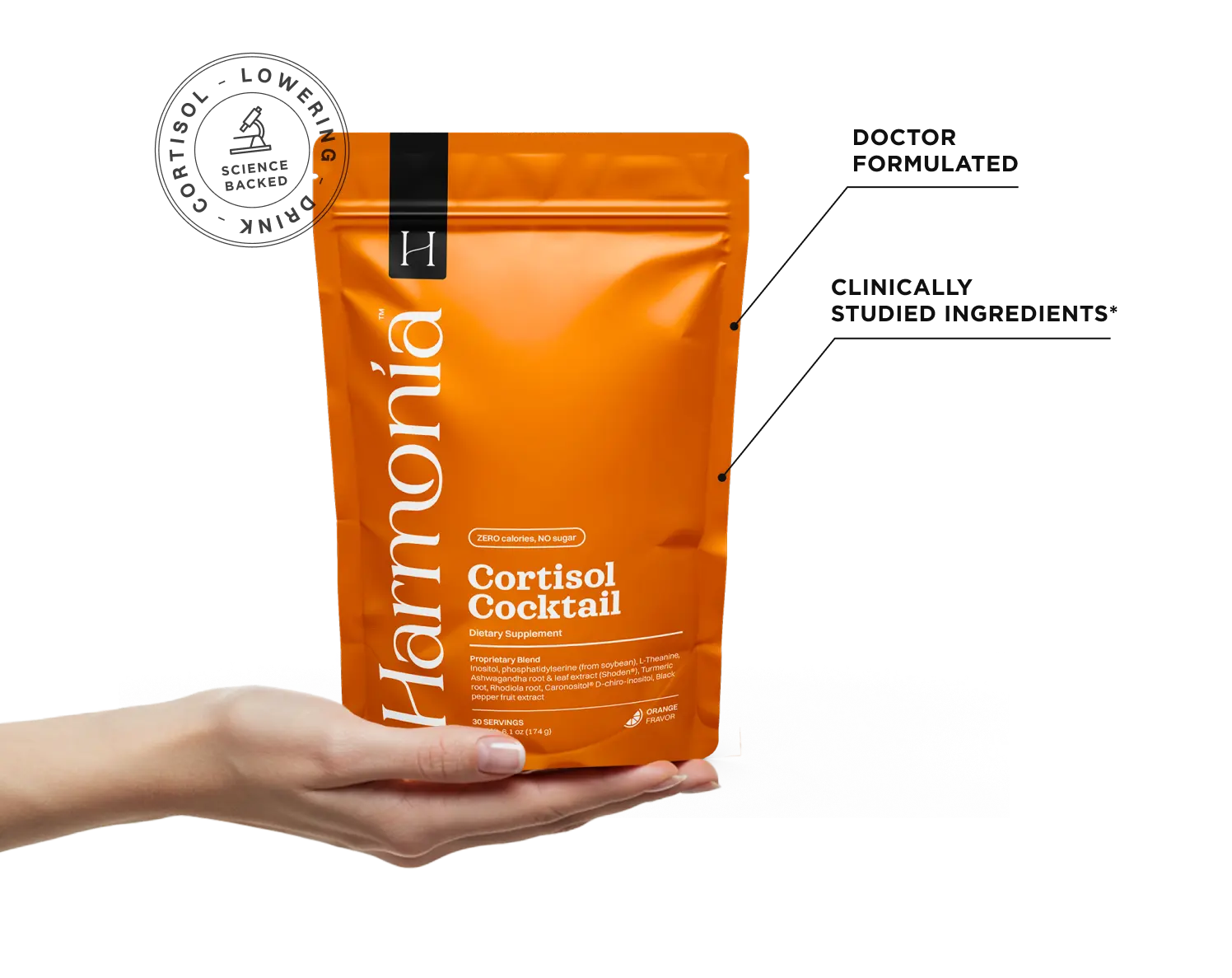
1. Harmonia Cortisol Cocktail
.webp)
Chronic stress significantly worsens PCOS by elevating cortisol and disrupting insulin sensitivity. Harmonia is formulated specifically to address this foundational factor by supporting cortisol regulation and metabolic balance.
When cortisol stays elevated, your body becomes more insulin resistant. This creates a vicious cycle where high insulin triggers excess androgen production. Breaking this cycle requires addressing stress at its source.
Key Ingredients in Harmonia
The comprehensive formula includes research-backed compounds that work synergistically:
- Ashwagandha (KSM-66): Reduces cortisol by up to 32% while supporting healthy testosterone levels and improving insulin sensitivity
- Rhodiola Rosea: Builds stress resilience, prevents emotional eating patterns, and supports energy without stimulation
- Myo-Inositol & D-Chiro Inositol (40:1 ratio): Crucial for cellular signaling, glucose regulation, and restoring ovulation
- L-Theanine: Promotes calm focus without drowsiness, helping manage anxiety common with PCOS
- Magnesium: Supports insulin function, reduces inflammation, and improves sleep quality
- Vitamin D: Addresses widespread deficiency in PCOS patients while supporting metabolic health
- Turmeric with Black Pepper: Reduces inflammation and improves curcumin absorption
- Phosphatidylserine: Helps regulate cortisol release patterns throughout the day
How Harmonia Supports PCOS
By targeting stress-related pathways alongside insulin regulation, Harmonia helps support multiple PCOS symptoms simultaneously. When cortisol levels stabilize and insulin sensitivity improves, many women see their cycles normalize within 3 to 6 months.
The formula provides everything in one convenient daily drink instead of managing six separate supplement bottles. The synergistic blend amplifies results beyond individual ingredients alone.
Supporting hormonal balance requires consistency. A daily routine that includes targeted supplementation, stress management, and adequate sleep can gradually improve energy, mood, and cycle regularity.
Ready to address PCOS at its root? Take the Harmonia quiz to discover if this comprehensive formula is right for your needs.
2. Myo-Inositol and D-Chiro Inositol
If you could only choose one standalone nutrient for PCOS, inositol would be it. This vitamin-like compound has the strongest clinical evidence for improving virtually every aspect of PCOS.
Myo-Inositol and D-Chiro Inositol multiple benefits:
- Improves insulin sensitivity by 30 to 40%
- Reduces testosterone and other androgen levels
- Restores regular menstrual cycles in 60 to 70% of women
- Improves egg quality and ovulation rates
- Reduces acne and hirsutism over time
- Lowers blood pressure and triglycerides
Many women notice cycle improvements within 3 months of consistent use. Fertility benefits often take 6 months to fully manifest.
3. Vitamin D for Metabolic Health
Up to 85% of women with PCOS are deficient in vitamin D. This staggering statistic reveals a crucial connection between this hormone-like nutrient and PCOS pathology.
Research shows vitamin D influences:
- Ovarian follicular development and ovulation
- Glucose regulation and insulin sensitivity
- Sex hormone production and balance
- Inflammatory markers throughout the body
- Menstrual cycle regularity
A systematic review found that vitamin D supplementation increases endometrial thickness and regularizes menstrual cycles in women with PCOS who have low vitamin D status.
When combined with metformin therapy, vitamin D shows improved menstrual regularity and ovulation rates. The combination addresses both insulin resistance and hormonal regulation.
Most women need 2,000 to 4,000 IU daily to reach optimal levels. Get your levels tested to determine your specific requirements. Aim for blood levels between 40 to 60 ng/mL for best results.
Vitamin D works synergistically with other PCOS supplements like inositol and magnesium. Taking them together amplifies benefits beyond individual effects.
4. Omega-3 Fatty Acids for Inflammation

Your body is fighting a constant inflammatory battle with PCOS. Elevated inflammatory markers worsen insulin resistance, increase androgen production, and disrupt ovulation. Omega-3s help calm this fire.
EPA and DHA from fish oil modulate inflammatory pathways while improving how your cells respond to insulin.
Omega-3 supplementation in women with PCOS:
- Reduces testosterone and inflammatory markers
- Improves insulin sensitivity
- Lowers triglycerides and improves cholesterol ratios
- Supports regular menstrual cycles
- Reduces menstrual pain intensity
Aim for 1,000 to 2,000 mg combined EPA and DHA daily from high-quality fish oil. Choose products tested for mercury and other contaminants.
If you don't eat fatty fish regularly, supplementation becomes particularly important. Omega-3s work best when combined with anti-inflammatory dietary patterns.
5. Magnesium for Insulin Function
Most women don't realize magnesium deficiency directly sabotages their insulin function. This essential mineral participates in over 300 enzymatic reactions, many involving glucose metabolism and hormone signaling.
Supplementation with magnesium improves:
- Insulin sensitivity and glucose metabolism
- Blood pressure regulation
- Inflammatory marker reduction
- Sleep quality and stress response
- Menstrual regularity
Co-supplementation of magnesium with zinc, calcium, and vitamins D or E can improve insulin sensitivity, C-reactive protein levels, lipid profiles, and glucose metabolism in women with PCOS.
Magnesium glycinate absorbs well and doesn't cause digestive upset. Take 300 to 400 mg daily, preferably in the evening to support sleep.
Many women notice improved sleep quality within the first week. Metabolic benefits accumulate over 8 to 12 weeks of consistent use.
6. Curcumin for Androgen Reduction
The golden spice hiding in your kitchen cabinet holds remarkable power for PCOS. Curcumin, the active compound in turmeric, targets multiple pathways driving hormonal imbalance.
Clinical studies demonstrate curcumin:
- Reduces insulin resistance significantly
- Lowers luteinizing hormone levels
- Decreases testosterone and other androgens
- Induces ovulation in anovulatory women
- Reduces inflammatory cytokines
Curcumin has poor bioavailability when taken alone. Combine it with black pepper extract (piperine) to increase absorption by up to 2,000%. Many quality supplements include this combination.
Typical therapeutic doses range from 500 to 1,500 mg daily of curcumin standardized to 95% curcuminoids. Take with meals containing healthy fats for better absorption.
The anti-inflammatory effects become noticeable within 4 to 8 weeks. Hormonal improvements typically manifest after 3 months of consistent use.
7. N-Acetyl Cysteine (NAC)
This lesser-known amino acid derivative rivals metformin's effectiveness without the digestive side effects. NAC tackles PCOS from multiple angles simultaneously.
NAC benefits women with PCOS by:
- Improving insulin sensitivity comparable to metformin
- Reducing testosterone levels
- Increasing ovulation rates
- Improving pregnancy rates in infertile women
- Reducing inflammation and oxidative stress
- Supporting liver detoxification of excess hormones
NAC works particularly well when combined with inositol and vitamin D. The combination addresses insulin resistance, inflammation, and hormonal regulation simultaneously.
Take NAC on an empty stomach for best absorption. Some women experience mild nausea initially, which typically resolves within a few days.
Lifestyle Factors That Enhance Supplement Benefits
PCOS supplements work best when combined with supportive lifestyle changes. These foundational practices amplify supplement effectiveness while addressing root causes.
Blood Sugar Management
Stable blood sugar prevents insulin spikes that worsen PCOS symptoms. Eat balanced meals combining protein, healthy fats, and fiber-rich carbohydrates. Avoid refined sugars and processed foods that cause rapid glucose elevation.
Include cinnamon in your diet. Research shows it improves insulin sensitivity and helps regulate blood sugar in women with PCOS.
Stress Reduction

Chronic stress elevates cortisol, which worsens insulin resistance and disrupts ovulation. Daily stress management practices support hormonal balance.
Effective techniques include meditation, yoga, deep breathing exercises, and adequate sleep. Even 10 minutes daily creates measurable cortisol reductions over time.
Regular Movement
Exercise improves insulin sensitivity independent of weight loss. Both resistance training and cardiovascular exercise benefit women with PCOS.
Aim for 150 minutes weekly of moderate activity. Find movement you enjoy to ensure consistency. Weight management with PCOS becomes easier when exercise and supplements work together.
Quality Sleep
Poor sleep worsens insulin resistance and increases cortisol. Prioritize 7 to 9 hours nightly in a completely dark, cool room.
Establish consistent sleep and wake times. Avoid screens for one hour before bed. Consider magnesium and L-theanine as natural sleep support.
When to Seek Medical Evaluation

While PCOS supplements help many women, certain symptoms require professional assessment. Seek medical evaluation if you experience:
- Persistent irregular or absent periods lasting over 3 months
- Inability to conceive after 6 to 12 months of trying
- Severe acne that doesn't respond to treatments
- Excessive hair growth or hair loss
- Significant weight gain despite healthy habits
- Severe mood symptoms affecting daily life
- Signs of insulin resistance or prediabetes
Comprehensive testing helps identify PCOS and rule out other conditions. Work with healthcare providers knowledgeable about integrative PCOS management.
Conclusion
Managing PCOS requires addressing multiple root causes simultaneously. The best supplements for PCOS target insulin resistance, inflammation, and hormonal imbalances driving your symptoms.
From comprehensive formulas like Harmonia that combine adaptogens with inositol to targeted nutrients like vitamin D and omega-3s, these PCOS supplements offer evidence-backed support. Research consistently demonstrates their ability to improve menstrual regularity, reduce androgens, enhance fertility, and support metabolic health.
Consistency matters more than perfection. Give supplements 3 to 6 months of consistent use before evaluating full benefits. Combine them with blood sugar management, stress reduction, and regular movement for optimal results.
Your PCOS symptoms don't have to control your life. With the right supplements for PCOS and lifestyle support, you can restore hormonal balance and reclaim your health.
FAQs About PCOS Supplements
What are the best supplements for PCOS?
The best supplements for PCOS include comprehensive formulas like Harmonia that combine adaptogens with inositol, standalone myo-inositol and D-chiro inositol (40:1 ratio), vitamin D, omega-3 fatty acids, magnesium, curcumin, and N-acetyl cysteine. These target insulin resistance, inflammation, and hormonal imbalances.
How long does it take for PCOS supplements to work?
Most women notice initial improvements in energy and mood within 2 to 4 weeks. Menstrual cycle improvements typically appear after 3 to 6 months of consistent use. Fertility benefits often take 6 months or longer to fully manifest. Consistency is essential for results.
Can supplements cure PCOS?
PCOS supplements cannot cure the condition, but they can significantly improve symptoms and quality of life. Research shows they effectively reduce insulin resistance, lower androgens, restore regular cycles, and support fertility when combined with lifestyle changes.
Is inositol better than metformin for PCOS?
Research suggests inositol may be as effective as metformin for improving insulin sensitivity with fewer side effects. Many women tolerate inositol better than metformin, which commonly causes digestive distress. Discuss options with your healthcare provider.
What ratio of inositol is best for PCOS?
The ideal ratio is 40:1 myo-inositol to D-chiro inositol, matching your body's natural proportions. Most studies use 2,000 to 4,000 mg total daily split into two doses. This combination improves insulin sensitivity and restores ovulation more effectively than either alone.
Should I take PCOS supplements if I'm trying to conceive?
Yes, many PCOS supplements support fertility. Inositol improves egg quality and ovulation rates. Vitamin D and omega-3s support reproductive health. Comprehensive formulas like Harmonia address stress and insulin resistance that impact fertility. Always inform your doctor about supplements when trying to conceive.