Your cycles have become unpredictable. Energy crashes hit you midday. Mood swings appear without warning. Sleep feels impossible despite exhaustion.
These aren't minor inconveniences.
They're signals that your hormones need support. Many women spend years managing symptoms without addressing root causes. Pills mask the problem. Hormonal birth control creates new imbalances.
Natural remedies for hormonal imbalance in females offer a different path. These evidence-backed approaches support your body's own regulatory systems instead of overriding them.
What Is Hormonal Imbalance in Women?
A hormonal imbalance occurs when you have too much or too little of a specific hormone. Even small fluctuations trigger noticeable changes because hormones operate within tightly regulated feedback systems.
Estrogen, progesterone, cortisol, insulin, and thyroid hormones all interact in complex ways. When one shifts, others follow.
In women, hormonal balance shifts naturally across life stages:
- Puberty initiates menstrual cycling
- Reproductive years require rhythmic coordination between estrogen and progesterone
- Pregnancy introduces dramatic hormonal increases
- Perimenopause and menopause involve gradual estrogen decline
These transitions are normal. However, when stress or metabolic disruption interferes with regulation, symptoms may intensify.
Understanding root causes helps you choose the most effective natural hormonal balance strategies.
What Causes Hormonal Imbalance in Women?
Common triggers include chronic stress (which elevates cortisol and suppresses estrogen and progesterone production), high-sugar diets that destabilize insulin, thyroid dysfunction, PCOS, environmental toxins that mimic estrogen (xenoestrogens), and major life transitions such as perimenopause. In many women, multiple triggers overlap, which is why symptoms vary so widely.
The five most common signs of hormonal imbalance in females are: irregular or absent periods, persistent fatigue that doesn't resolve with rest, unexplained weight changes around the abdomen, mood disturbances including anxiety and depression, and skin changes such as adult acne or hair thinning.
Experiencing three or more of these simultaneously often signals systemic hormonal disruption rather than a single isolated shift.
10 Natural Remedies for Hormonal Imbalance in Females
Natural remedies for hormonal imbalance in females can restore balance by addressing root causes. These evidence-backed approaches support your body's regulatory systems rather than overriding them with synthetic hormones.
The most clinically supported natural remedies for hormonal imbalance include ashwagandha (shown to reduce cortisol by up to 23% in clinical trials), magnesium glycinate (supports HPA axis regulation and estrogen metabolism), omega-3 fatty acids (reduces inflammation that disrupts hormone signaling), and myo-inositol (restores ovulation and insulin sensitivity in women with PCOS). Quality sleep and consistent daily stress management are equally essential foundations for any hormonal recovery protocol.
1. Adaptogenic Herbs for Stress Management

Adaptogens help your body adapt to stress by modulating cortisol production. These herbs for hormonal balance have been used for thousands of years.
Ashwagandha
An ashwagandha stress and cortisol study analyzed 9 randomized controlled trials with 558 participants and found that ashwagandha significantly improved stress markers, including cortisol levels, compared with placebo.
Lower cortisol directly improves sleep, mood stability, and menstrual regularity. The herb also supports thyroid function by increasing T3 and T4 levels in women with hypothyroidism.
Typical dosing ranges from 300 to 600 mg daily of standardized extract. Most women notice improvements within 6 to 8 weeks of consistent use.
Rhodiola Rosea
This adaptogen boosts resilience to physical and emotional stress. It helps prevent burnout, reduces fatigue, and supports mental clarity.
Rhodiola works particularly well for women experiencing stress-related cycle irregularities. The herb helps restore normal ovulation patterns when stress has suppressed reproductive function.
Maca Root
Maca supports hormonal balance during menstrual cycles, perimenopause, and menopause. Clinical studies show it helps reduce anxiety and depression, and lowers measures of sexual dysfunction in postmenopausal women independent of estrogenic and androgenic activity.
The root works differently than hormone replacement. It doesn't contain hormones but supports your body's natural production.
2. Magnesium for Hormone Metabolism
Magnesium deserves recognition as a foundational mineral for natural hormonal balance. It participates in over 300 enzymatic reactions, many involving hormone synthesis and metabolism.
How magnesium supports hormones:
- Calms the HPA axis to reduce cortisol overproduction
- Supports liver metabolism of estrogen
- Improves insulin sensitivity
- Promotes better sleep by supporting melatonin production
- Reduces PMS symptoms including cramps and mood swings
Most women don't get enough magnesium from diet alone. Stress depletes magnesium stores further, creating a vicious cycle.
Consider supplementing with 300 to 400 mg daily of magnesium glycinate. This form absorbs well and doesn't cause digestive upset like magnesium oxide.
3. Omega-3 Fatty Acids for Inflammation

Chronic inflammation disrupts hormone signaling throughout your body. Omega-3 fatty acids from fatty fish provide powerful anti-inflammatory support.
EPA and DHA help modulate inflammation and support hormone receptor sensitivity. Harvard nutritional research on omega-3 fats shows these essential fats play key roles in cellular function and hormone signaling.
Benefits for hormonal health include:
- Reduced menstrual pain and cramping
- Improved insulin sensitivity
- Better mood regulation
- Support for healthy fetal development during pregnancy
Aim for two servings weekly of wild-caught salmon, mackerel, or sardines. If you don't eat fish regularly, consider a high-quality omega-3 supplement providing 1,000 to 2,000 mg combined EPA and DHA daily.
4. Vitamin D for Reproductive Health
Vitamin D functions more like a hormone than a traditional vitamin. Receptors exist throughout your reproductive system, thyroid, and immune tissues.
Deficiency impacts fertility, menstrual regularity, and PCOS symptoms. Research indicates vitamin D supplementation in women with PCOS may improve menstrual regularity after 3 months.
Most women need 2,000 to 4,000 IU daily to maintain optimal levels. Get your levels tested to determine your specific needs. Aim for blood levels between 40 to 60 ng/mL for hormonal health.
Safe sun exposure provides vitamin D naturally. Try getting 10 to 30 minutes of midday sun several times weekly on bare skin without sunscreen.
5. B Vitamins for Energy and Mood

B vitamins support hormone production, energy metabolism, and nervous system function. Deficiencies contribute to fatigue, mood instability, and irregular cycles.
Vitamin B6
B6 directly influences estrogen and progesterone balance. Vitamin B6 and PMS research shows it helps alleviate symptoms including mood changes, irritability, and breast tenderness.
Therapeutic dosing ranges from 50 to 100 mg daily. B6 also supports neurotransmitter production, improving mood and reducing anxiety.
Vitamin B12
B12 deficiency commonly affects women with PCOS and hypothyroidism. Low levels cause fatigue, brain fog, and mood disturbances.
Supplementing may improve energy levels and support healthy ovulation. Methylcobalamin is the most bioavailable form.
Both B12 and thyroid hormones are closely linked. Women with hypothyroidism often show lower B12 levels alongside dysregulated cortisol. For more on this connection, read about how cortisol affects thyroid function.
6. Inositol for PCOS and Insulin Sensitivity
Myo-inositol and D-chiro inositol are supplements for hormonal balance in women with PCOS. These compounds improve insulin sensitivity, reduce androgens, and support healthy ovulation.
Research demonstrates inositol supplementation:
- Improves menstrual cycle regularity
- Reduces testosterone levels
- Supports healthy egg quality
- Decreases intense carbohydrate cravings
- Helps with weight management
The ideal ratio combines 40:1 myo-inositol to D-chiro inositol. Typical dosing provides 2,000 to 4,000 mg daily split into two doses.
Women with PCOS often see significant improvements within 3 to 6 months of consistent use.
7. Cruciferous Vegetables for Estrogen Metabolism
Broccoli, cauliflower, cabbage, Brussels sprouts, and kale contain compounds that support healthy estrogen metabolism. Indole-3-carbinol and sulforaphane help your liver process and eliminate excess estrogen.
This matters because estrogen dominance contributes to:
- Heavy or painful periods
- Breast tenderness
- Mood swings
- Weight gain around hips and thighs
- Increased PMS symptoms
Aim for at least one serving daily of cruciferous vegetables. Lightly steaming preserves beneficial compounds better than heavy cooking.
DIM (diindolylmethane) supplements provide concentrated amounts of these compounds. Studies suggest 100 to 200 mg daily may help manage estrogen levels.
Dietary estrogen clearance works best alongside cortisol management. Read more about the cortisol and estrogen relationship if chronic stress is part of your hormonal picture.

8. Fiber for Blood Sugar and Hormone Clearance
Fiber plays crucial roles in hormonal health that most women overlook. Soluble fiber from oats, lentils, apples, and chia seeds supports estrogen clearance and promotes blood sugar regulation.
Fiber binds excess estrogen in your digestive tract and helps eliminate it through bowel movements. It also regulates insulin response by slowing sugar absorption.
Include fiber at each meal to help stabilize blood sugar throughout the day. Aim for 25 to 35 grams daily from whole food sources.
Blood sugar swings trigger cortisol release and worsen hormonal imbalances. Stable blood sugar means stable hormones.
9. Quality Sleep for Hormone Restoration
Sleep directly impacts every hormone in your body. Poor sleep elevates cortisol, disrupts insulin sensitivity, and reduces sex hormone production.
Research shows even one night of poor sleep affects:
- Cortisol rhythm the following day
- Insulin sensitivity decreasing by up to 30%
- Leptin and ghrelin (hunger hormones) regulation
- Growth hormone release during deep sleep
Aim for 7 to 9 hours nightly in a completely dark, cool room. Establish consistent sleep and wake times, even on weekends.
Create an evening routine that signals your body to wind down. Avoid screens for one hour before bed. The blue light suppresses melatonin production and delays sleep onset.
Consider magnesium glycinate and L-theanine for calm sleep support. Both settle the nervous system without causing morning grogginess.
10. Stress Management Techniques
.png)
Chronic stress drives virtually every type of hormonal imbalance. When cortisol stays elevated, your body prioritizes survival over reproduction and metabolic balance.
Effective stress management practices include:
- Daily meditation or deep breathing exercises
- Regular gentle movement like walking or yoga
- Time in nature to reduce cortisol
- Journaling to process emotions
- Setting boundaries to protect your energy
- Connecting with supportive relationships
Even 10 minutes daily of intentional stress reduction creates measurable changes in cortisol levels over time.
Mind-body practices like yoga specifically benefit hormonal health. Regular yoga practice improves menstrual regularity, reduces PCOS symptoms, and alleviates menopausal discomfort.
Persistent cortisol elevation suppresses the hypothalamic-pituitary-gonadal (HPG) axis, directly reducing the body's output of estrogen, progesterone, and testosterone. Addressing the cortisol load through consistent stress management and targeted nutritional support is often the most efficient first step toward restoring broader hormonal balance.
What Foods and Drinks Worsen Hormonal Imbalance?
Supporting the 10 remedies above works best when you also limit foods that disrupt hormone signaling. Refined sugar and high-glycemic carbohydrates spike insulin and promote excess estrogen production through fat cell expansion. Alcohol impairs the liver's ability to process and clear estrogen, worsening symptoms of estrogen dominance.
Processed foods contain endocrine-disrupting additives and trans fats that impair hormone receptor sensitivity. Excess caffeine raises cortisol output, particularly when consumed on an empty stomach.
For drinks that actively support hormonal balance, spearmint tea is supported by research for lowering androgen levels in women with PCOS, green tea supports estrogen metabolism and insulin sensitivity, and chamomile tea promotes cortisol reduction and deeper sleep. Starting the morning with warm water or herbal tea before reaching for caffeine also supports cortisol's natural daily rhythm.
How Harmonia Supports Hormonal Balance in Women
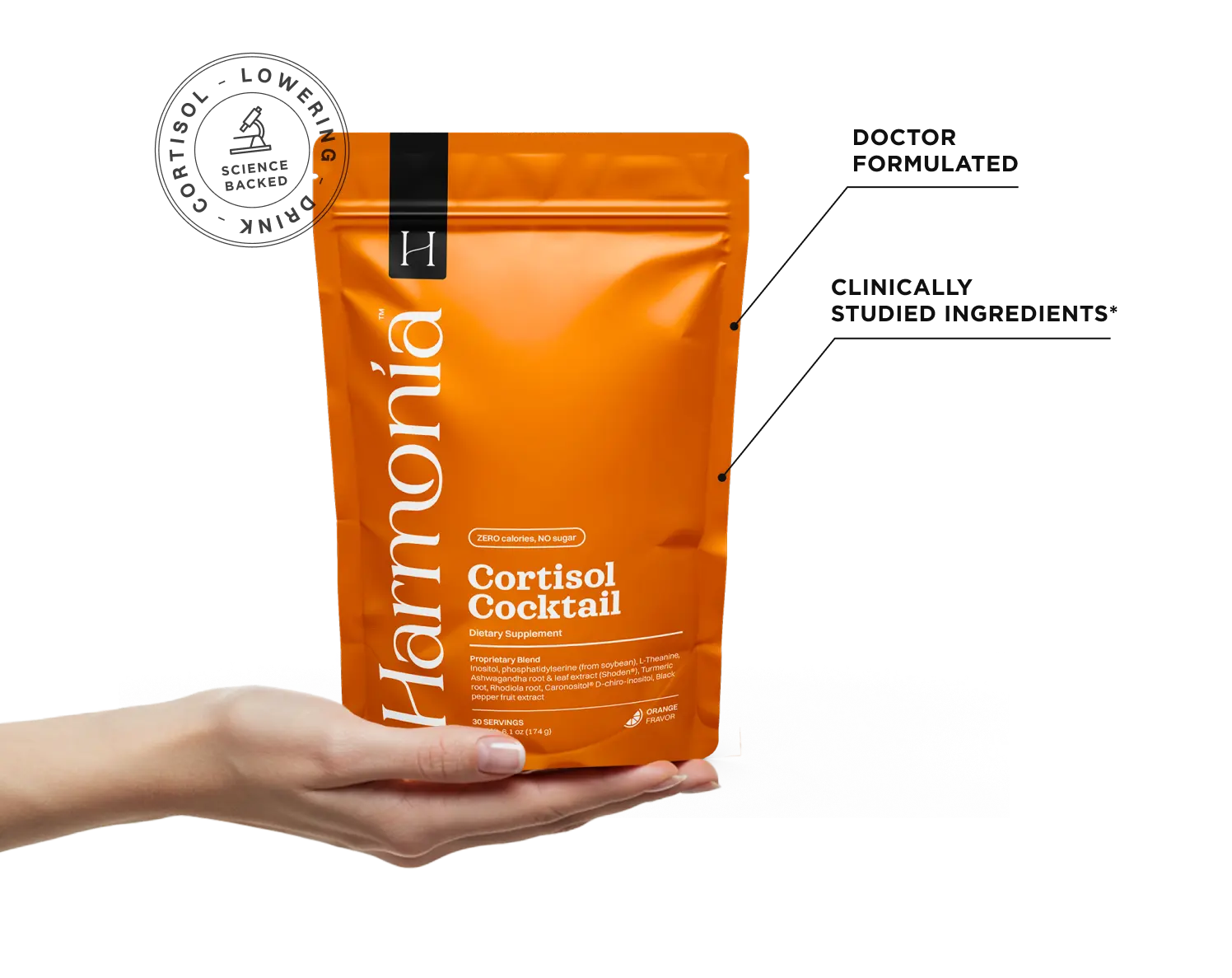
Chronic stress often acts as the silent driver behind many hormonal imbalance symptoms in females. Harmonia is formulated to address this foundational factor by supporting cortisol regulation and nervous system balance.
Its blend includes ingredients such as Ashwagandha, Rhodiola Rosea, and L-Theanine, which are researched for their ability to promote calm and resilience. Myo-Inositol and D-Chiro Inositol support insulin sensitivity, while Magnesium and Vitamin D contribute to mood and sleep quality.
By targeting stress-related pathways, Harmonia helps support women experiencing symptoms linked to PCOS, menopause, thyroid shifts, and emotional eating patterns. When cortisol levels stabilize, the body is better positioned to restore natural hormonal balance.
Supporting hormonal balance requires consistency. A daily routine that includes stress management, nutrient support, and adequate sleep can gradually improve energy, mood, and cycle regularity.
Conclusion
Restoring natural hormonal balance requires addressing root causes rather than masking symptoms. The natural remedies for hormonal imbalance in females outlined here support your body's own regulatory systems.
From adaptogenic herbs for hormonal balance to essential nutrients and lifestyle strategies, these approaches work together synergistically. Consistency matters more than perfection. Small daily actions compound into significant improvements over time.
Supporting cortisol regulation often provides the foundation for broader hormonal healing. When stress hormones stabilize, reproductive hormones, thyroid function, and metabolic health improve naturally.
If you recognize these symptoms in your own life, it may be time to explore targeted support.
Take the Harmonia quiz to discover whether stress-related hormone imbalance could be contributing to your symptoms and learn how a plant-based cortisol support formula may help you move toward steadier energy, improved sleep, and greater hormonal stability.
FAQs About Natural Remedies for Hormonal Imbalance
What are the best natural remedies for hormonal imbalance in females?
The most effective natural remedies for hormonal imbalance in females include adaptogenic herbs like ashwagandha and rhodiola, essential nutrients like magnesium and vitamin D, omega-3 fatty acids, B vitamins, and lifestyle changes including stress management and quality sleep. Comprehensive formulas like Harmonia combine these ingredients for synergistic benefits.
How long does it take for natural remedies to balance hormones?
Most women notice initial improvements in energy, mood, and sleep within 2 to 4 weeks. Full hormonal benefits typically appear after 6 to 8 weeks of consistent use. Menstrual cycle changes may take 3 to 6 months to normalize completely.
Can supplements really help with hormonal imbalance?
Yes, research-backed supplements for hormonal balance in women can significantly improve hormonal health. Studies show ashwagandha reduces cortisol by up to 23%, inositol improves PCOS symptoms, and magnesium supports hormone metabolism. Quality matters, so choose standardized extracts with clinical backing.
What herbs are best for hormonal balance?
The most effective herbs for hormonal balance include ashwagandha for cortisol reduction, rhodiola for stress resilience, maca root for menopause support, vitex for cycle regulation, and evening primrose for PMS symptoms. Adaptogenic herbs work particularly well because they help your body adapt to stress.
Are natural remedies safe for everyone?
While generally safe, natural remedies for hormonal imbalance in females may interact with medications or not be appropriate during pregnancy and breastfeeding. Consult your healthcare provider before starting new supplements, especially if you take thyroid medication, blood pressure drugs, or have autoimmune conditions.
What can I drink to balance my hormones?
Spearmint tea is supported by research for reducing androgen levels in women with PCOS. Green tea helps support estrogen metabolism and insulin sensitivity. Chamomile tea promotes cortisol reduction and better sleep quality. For a more comprehensive approach, combining herbal teas with targeted nutrients like ashwagandha, myo-inositol, and magnesium addresses the hormonal root causes that tea alone cannot reach. Starting the morning with warm water or herbal tea before caffeine also helps stabilize cortisol's natural daily rhythm.
Is hormonal imbalance the same as PCOS?
No. PCOS (polycystic ovary syndrome) is one specific condition that involves hormonal imbalance, but the two terms are not interchangeable. Hormonal imbalance describes any disruption across multiple hormones including cortisol, thyroid, estrogen, and progesterone. PCOS specifically involves elevated androgens, irregular cycles, and polycystic ovaries. Many women experience hormonal imbalances that are entirely unrelated to PCOS.